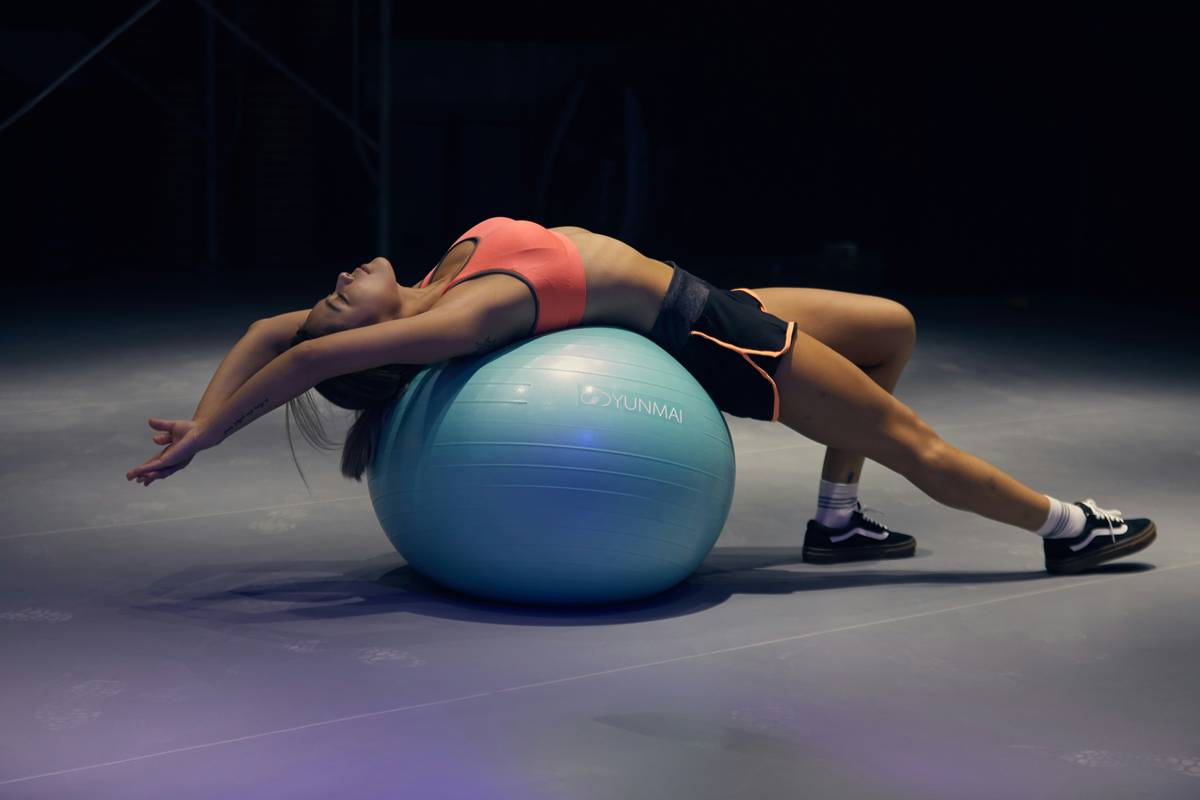
You’ve cycled through crunches, planks, even suspension training. Yet your midsection still wobbles during a deadlift. And your lower back flares up after 20 minutes of hiking. You’re not weak—you’re disconnected. The real issue? Most fitness programs treat the core like an isolated muscle group, not the integrated control center it actually is. That’s where a smart fitness program pilate core strength is—not just another workout, but a recalibration of how your body moves under load.
Why traditional ab workouts sabotage core integration
Planks build endurance. Russian twists add rotation. But neither teaches your deep stabilizers—transverse abdominis, multifidus, pelvic floor—to fire in sync with your limbs. You end up with strong rectus abdominis and zero intra-abdominal pressure coordination.
And that’s why you fatigue fast on uneven terrain or lose form halfway through a trail run.
Pilates fixes this by prioritizing neuromuscular timing over brute force. It’s not about how many reps you crank out—it’s whether your obliques activate before your hip flexors when you lift your leg. That split-second sequencing is everything.
fitness program pilate core strength is built on precision—not pain
Forget “no pain, no gain.” This system thrives on subtle, intentional movement. Here’s how to implement it without wasting months on vague YouTube tutorials.
Start with breath-driven activation
Before any movement, master diaphragmatic breathing linked to pelvic floor engagement. Inhale into your ribs—don’t let your belly bulge forward. On the exhale, gently draw your navel toward your spine as if zipping up a tight pair of jeans. Do this for 5 minutes daily. Your nervous system will begin recognizing “core on” as default.
Progress through controlled instability
Once breathing is automatic, layer on movement—but only if your pelvis stays neutral. Try the single-leg pelvic curl: lie supine, one knee bent, the other extended. Lift your hips while keeping both hip bones level. If your extended leg drops or your ribs flare, regress. Quality > range.
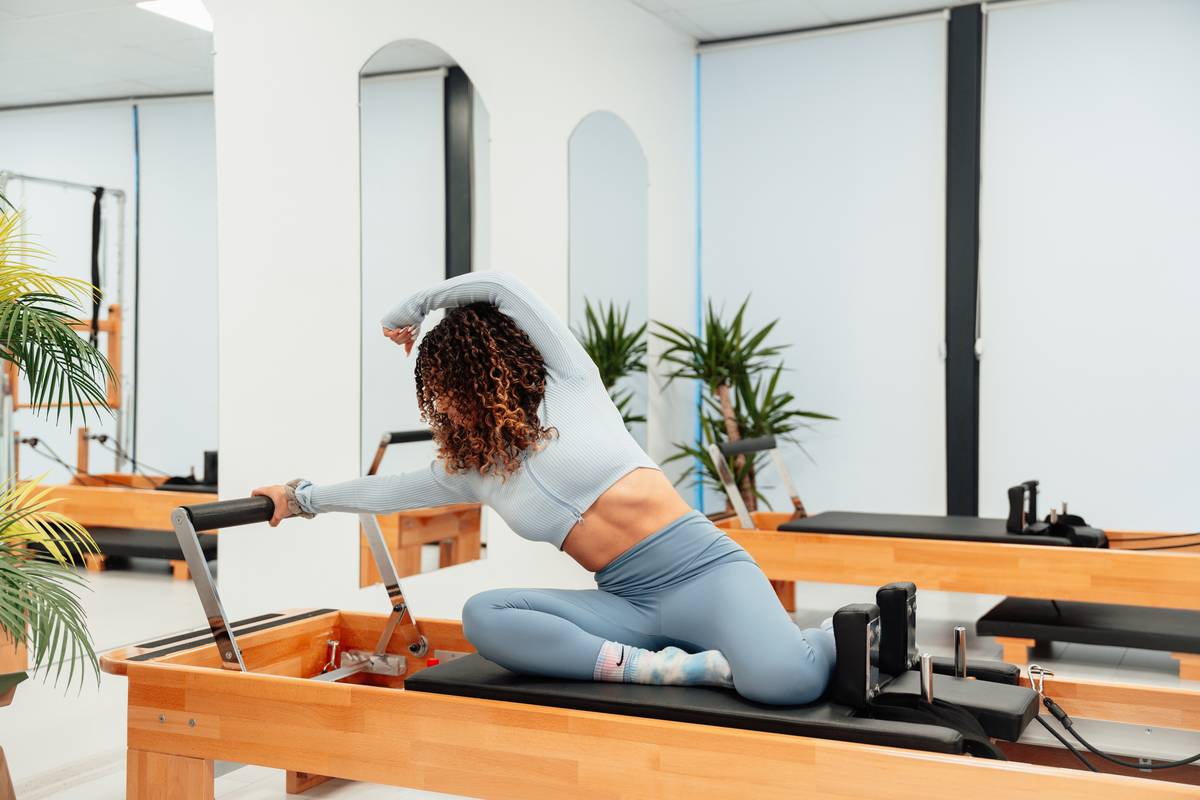
Avoid these three common traps
Trap #1: Over-cueing “suck in your stomach.” That spikes thoracic tension and kills rib mobility. Trap #2: Rushing progressions before mastering foundational alignment. Trap #3: Skipping lateral work—side-lying leg lifts are non-negotiable for anti-lateral flexion strength.
| Approach | Time to Noticeable Stability Gains | Risk of Compensatory Patterns | Ideal For |
|---|---|---|---|
| Traditional Crunches | 6–8 weeks (if consistent) | High (hip flexor dominance) | Cosmetic goals only |
| Generic Online Core Routines | 4–6 weeks | Moderate (poor cueing) | Beginners with supervision |
| Fitness program pilate core strength is | 2–3 weeks | Low (when properly guided) | Athletes needing functional control |
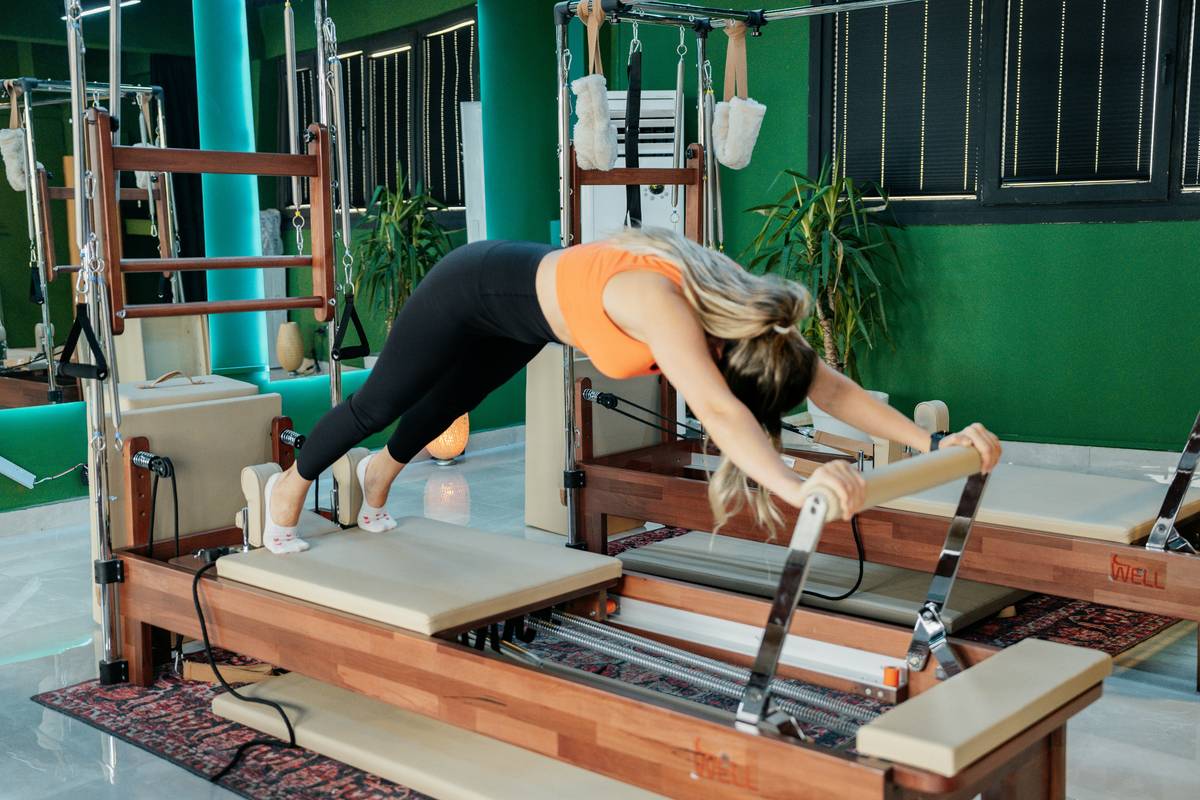
The industry secret: Pilates works best when it’s disguised as something else
Here’s what studios won’t tell you: pure mat Pilates has retention issues. People quit because it feels too static. The breakthrough comes when you embed Pilates principles into dynamic outdoor activities.
Try this: next time you’re trail running, focus only on keeping your ribcage stacked over your pelvis—no leaning forward. Or during rock scrambling, initiate every reach from your obliques, not your shoulders. That’s Pilates in motion. You’re not “doing core work.” You’re rewiring movement intelligence in context. The math is simple: neural pathways solidify faster when practiced in real-world scenarios.
FAQ
Is Pilates enough for core strength if I’m already lifting weights?
Yes—but only if your weight training lacks anti-rotation and pelvic control drills. Pilates fills the gap between raw power and precise control.
How often should I do Pilates for core gains?
Three 20-minute sessions per week beats one 60-minute slog. Consistency trumps duration for neuromuscular adaptation.
Can beginners start with advanced Pilates moves?
No. Skip the teaser or roll-up until you can hold a neutral spine during single-leg lowering. Rushing leads to shear forces on the lumbar spine.